Most people think of Moraira as a summer destination — all turquoise water, sun loungers, and long lunches by the sea. But those who’ve visited in winter know a different secret: this is when Moraira is at its most charming.While much of northern Europe shivers through grey skies and single-digit temperatures, Moraira enjoys mild, sunny days that feel more like early autumn back home. It’s quieter, cheaper, and — many would argue — more beautiful.
1. The Weather — Mild, Sunny, and a World Away from Home
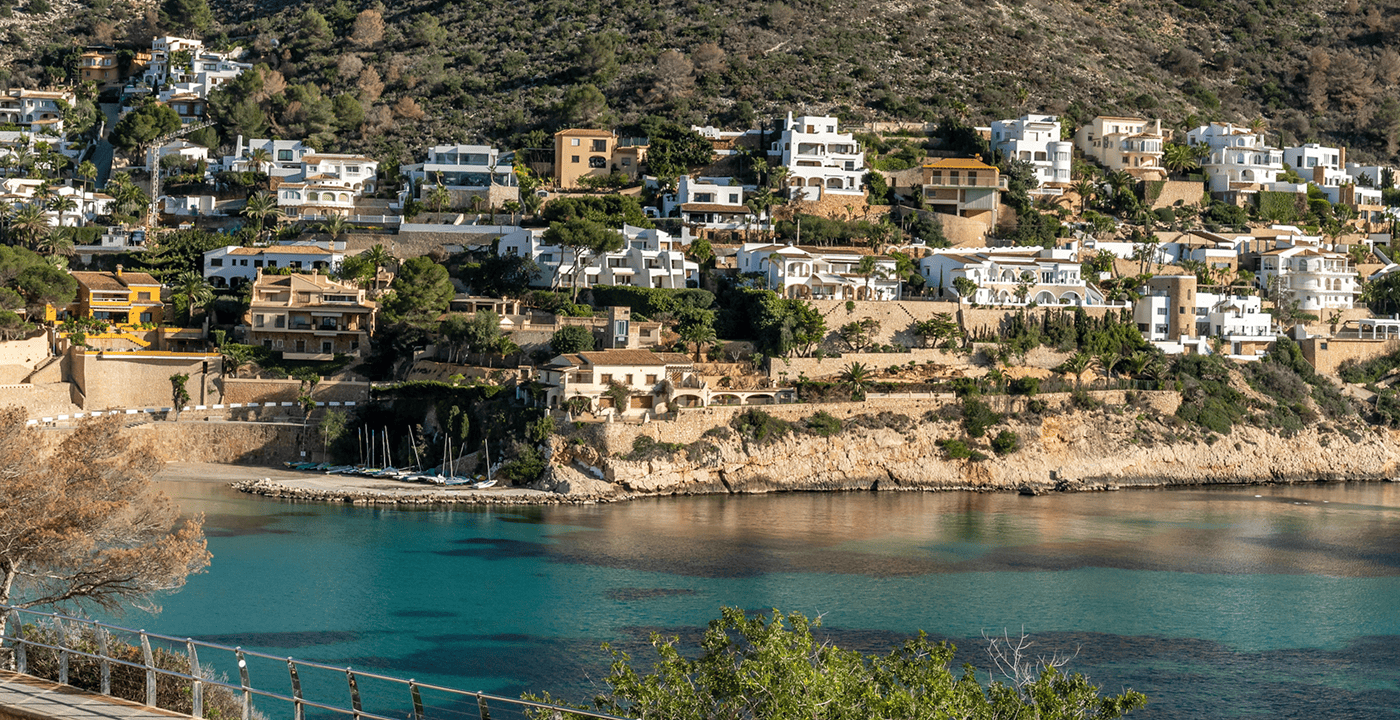
The crystal-clear waters of El Portet, just 2 minutes on foot from BlueView.
Winter in Moraira runs from December through February, and if you’re used to British, Dutch, or Scandinavian winters, it feels like a different planet. Daytime temperatures typically sit between 15°C and 18°C, and sunny days can push towards 20°C — warm enough for a coffee on the terrace in a light jumper.
Nights are cooler, dropping to around 7–10°C, so you’ll want a jacket for evening strolls. But it rarely feels truly cold. Moraira averages around 300 days of sunshine a year, and even in the depths of January you can expect long stretches of clear blue sky.
Rain does arrive — mostly in short, sharp bursts rather than the relentless drizzle of northern Europe. After a downpour, the air smells of pine and salt, the mountains sharpen against the sky, and within an hour or two the sun is usually back.
It’s no coincidence that the World Health Organisation has recognised this stretch of the Costa Blanca as one of the healthiest climates in Europe.
BlueView Tip: Pack layers rather than heavy coats. A light jacket, a couple of jumpers, and sunglasses will see you through most winter days.
BlueView Tip: Arrive before 10am in summer to grab the best spot near the rocks on the left – shaded until noon, perfect for children.
2. Moraira Without the Crowds
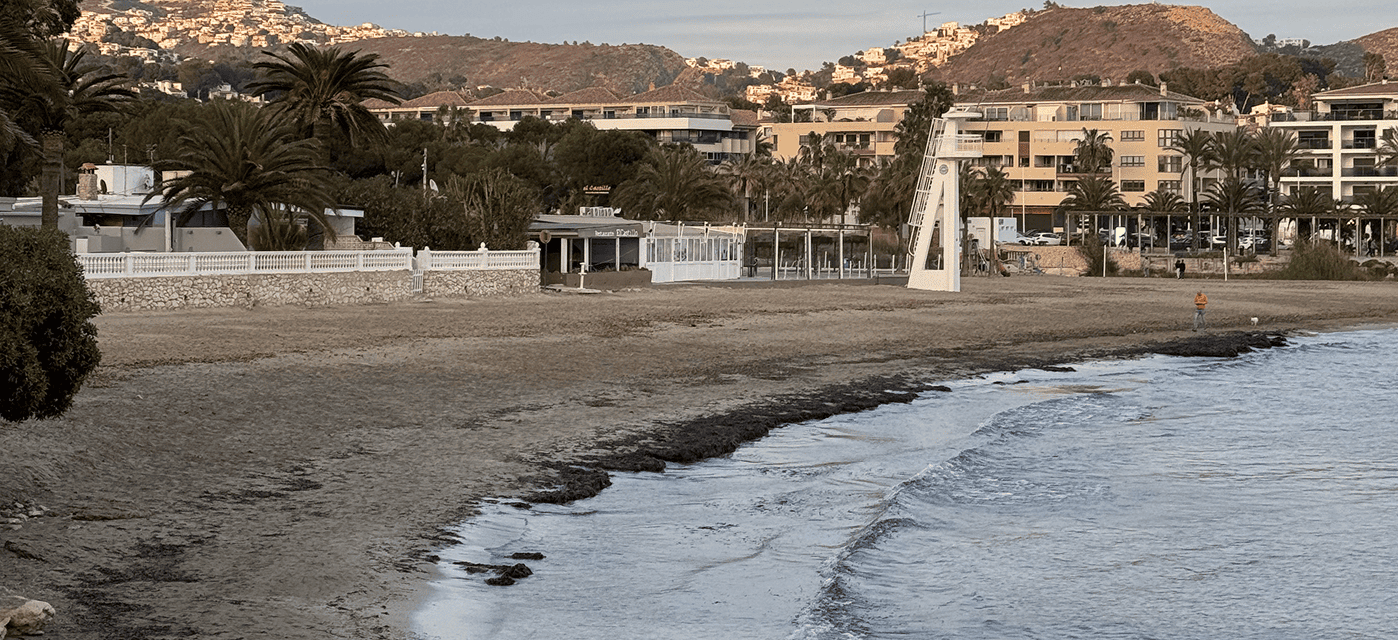
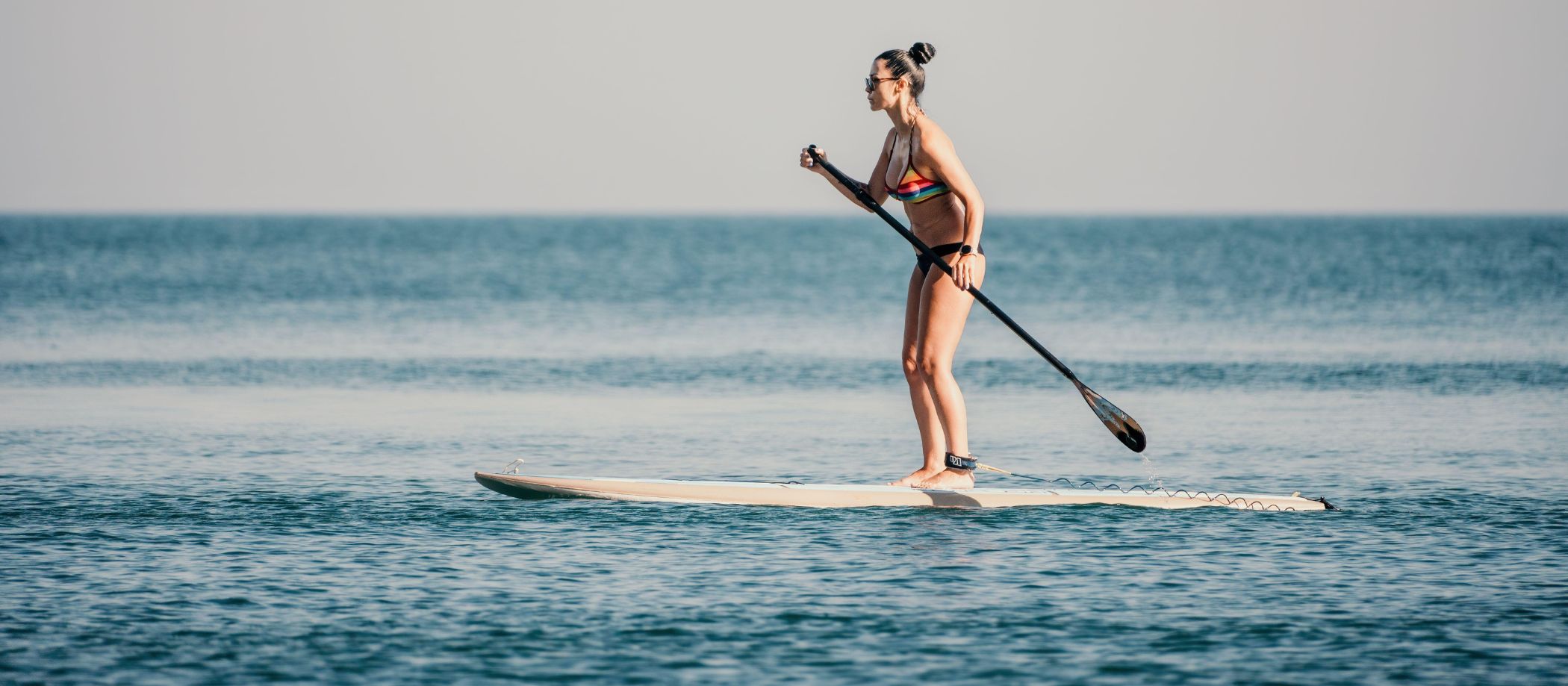
This is the real magic of a winter visit. The summer crowds are gone. El Portet beach, which buzzes with families and paddle boarders in August, becomes your own private cove. You can walk the promenade without weaving through tourists, find a table at any restaurant without booking, and park anywhere without a battle.
The town itself feels more authentically Spanish in winter. You’ll hear more Valenciano spoken at the market, notice locals gathering in the plaza for coffee, and find the weekly market a far more relaxed affair. The expat community is still here — Moraira has a large year-round international population — so you won’t feel like you’re in a ghost town. It’s just gentler, slower, and more personal.
The Wednesday market runs all year, and it’s a lovely place to pick up local oranges, olives, cheese, and seasonal produce without the summer queues.
3. Cosy Restaurants and Long Lunches
Moraira’s restaurant scene doesn’t shut down in winter — it just shifts character. Many of the best places stay open year-round, and this is the season for heartier food: slow-cooked rice dishes, grilled meats, fresh fish stews, and the kind of long, unhurried lunches that Spain does better than anywhere.
Look out for menú del día offerings — a two or three-course lunch with wine and coffee for around €12–€18. In summer these are harder to find as restaurants cater to tourists, but in winter the locals reclaim their favourite spots and the value is excellent.
El Portet’s beachfront restaurants are open on sunny days, and there’s nothing quite like sitting by the water in January, a glass of local wine in hand, while your friends back home are scraping ice off their windscreens.
In the evenings, the tapas bars in the old town come alive. Smaller, cosier, and far easier to get into — winter is the best time to discover places you’d never find in peak season.
BlueView Tip: Ask for arroz al horno or arroz a banda — traditional Valencian rice dishes that are winter staples in local restaurants. Pair with a red from Alicante’s wine region.
4. Walking, Hiking, and Getting Outdoors
Summer in Moraira can be too hot for serious walking — by 11am the trails are baking. Winter flips this completely. The temperatures are ideal for hiking, cycling, and exploring the coastline on foot.
The Cala Moraig to Cala del Moraig coastal path is spectacular in winter light, with fewer walkers and dramatic skies. The route along the cliffs between Moraira and Calpe offers views of the Peñón de Ifach that are arguably more striking in winter, when the light is lower and the rock glows amber in the afternoon sun.
Inland, the Jalon Valley and the Sierra de Bernia offer proper hill walks through almond groves that blossom in late January and February — one of the Costa Blanca’s most beautiful and least-known spectacles. The hillsides turn white and pink, and the air smells sweet.
For something gentler, the seafront promenades in Moraira and El Portet are perfect for a morning walk. The air is fresh, the sea is deep blue, and you’ll often have the path to yourself.
Cycling is also excellent — the roads are quiet, the hills are manageable, and many rental companies operate year-round.
4. Practical Tips for a Winter Stay
Here are a few things worth knowing if you’re planning a winter trip to Moraira:
Weather — Expect daytime highs of 15–18°C with plenty of sunshine. Evenings are cooler at 7–10°C. Pack layers, a light waterproof jacket, and sunglasses.
Flights — Alicante airport operates year-round with good connections from across Europe. Winter flights are often significantly cheaper than summer, and the airport is about an hour’s drive from Moraira.
Car hire — Rates drop considerably in winter. You’ll have your pick of vehicles and won’t face the summer queues at the desk.
Restaurants — Most stay open year-round, though some may close one or two days a week in the quieter months. Booking isn’t usually necessary.
Supermarkets — All the main supermarkets (Mercadona, Pepe la Sal, Carrefour) operate normal hours year-round. The Wednesday market runs every week.
What to do — Walk the coastal paths, explore nearby Jávea and Calpe, visit the Jalon Valley for wine tasting, browse the weekly market, or simply enjoy the peace of having the beach to yourself.
Swimming — The sea temperature drops to around 14–16°C in winter. Not for everyone, but plenty of locals swim year-round. You’ll see regulars at El Portet every morning.
BlueView Tip: Winter is also the best time for day trips. Valencia is 90 minutes away and far more enjoyable to explore without the summer heat. Alicante’s old town and castle are wonderful in the cooler months too.


Будьте в курсі
Поради щодо подорожей, місцеві секрети та новини про Морайру прямо у вашу поштову скриньку.
Ніякого спаму, ніколи. Відпишіться будь-коли.