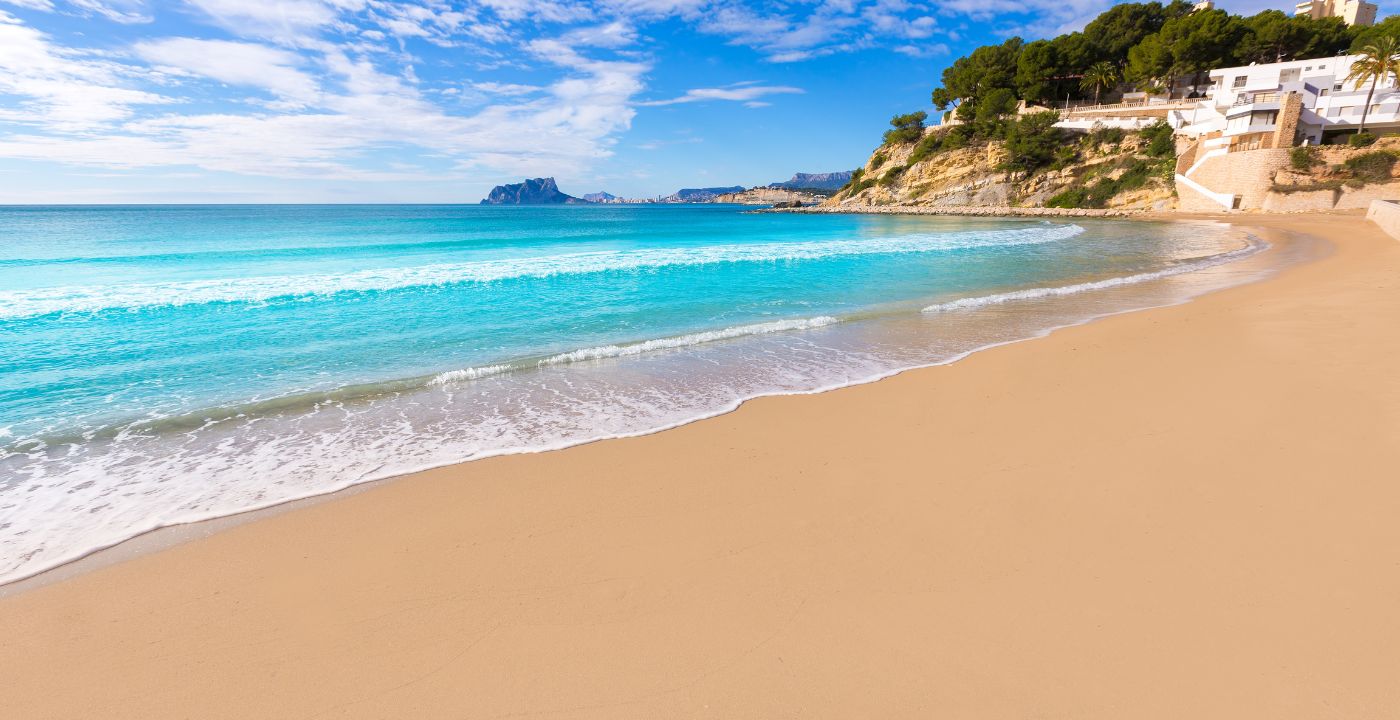
El Portet bay is one of those places that practically begs you to get on the water. The sheltered horseshoe shape keeps things calm, the water is impossibly clear, and there’s a reason every other person on the beach seems to be carrying a paddle board under their arm.
Whether you want a gentle morning SUP session, a kayak adventure to hidden coves, or an adrenaline-fuelled jet ski ride up the coast, it all starts right here — a two-minute walk from BlueView.
1. Stand-Up Paddle Boarding (SUP)
Go out before 10am when the water is at its glassiest. By midday the breeze often picks up and the bay gets busier with boats.
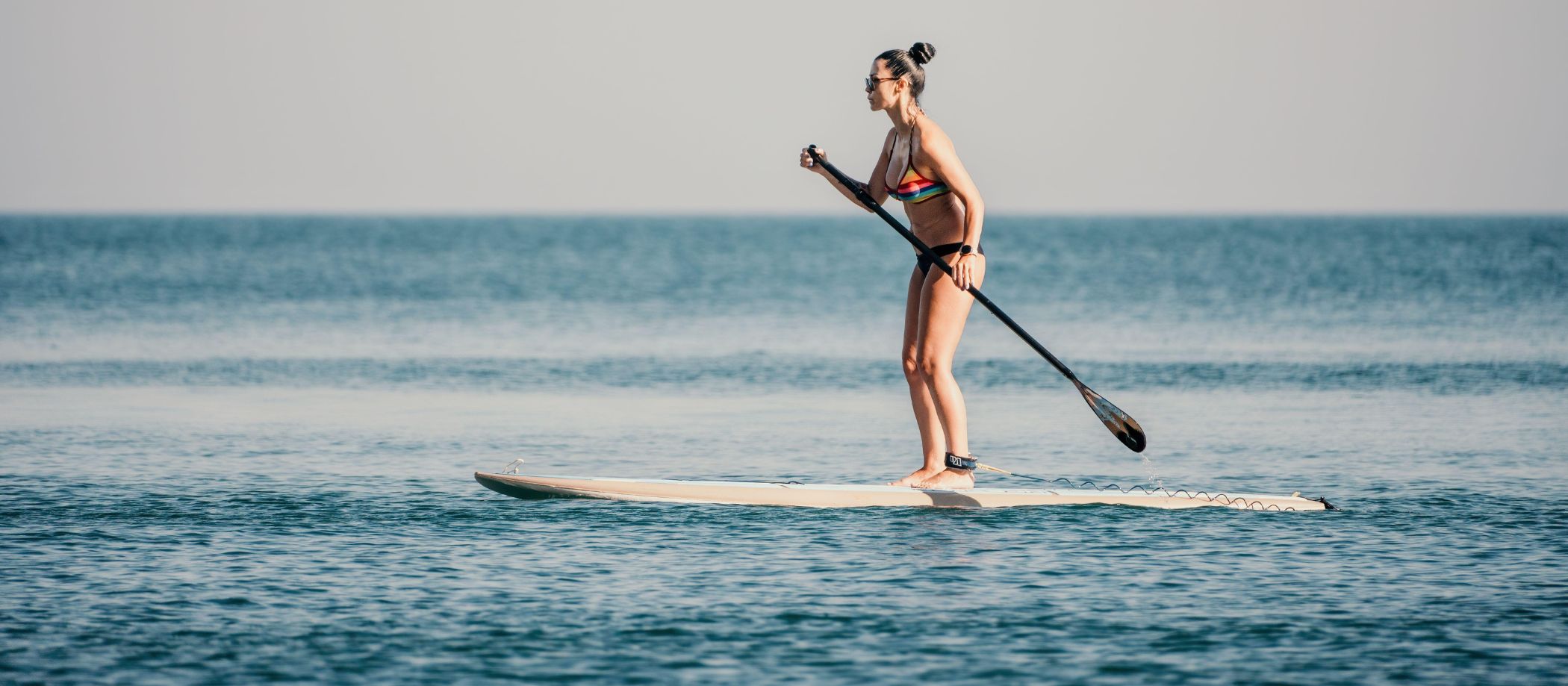
SUP is the most popular water activity in El Portet, and once you’ve tried it here you’ll understand why. The bay is naturally sheltered by two headlands, which means the water is flat and calm most mornings — perfect conditions whether you’ve never stood on a board before or you’re out every day.
Rental stands operate directly on El Portet beach from spring through autumn. You can hire a board for an hour or two and head out at your own pace. Most people paddle across the bay towards Cap d’Or, the rocky headland at the southern end, where the water turns an even deeper shade of blue and you can peer down at the seagrass beds and fish below.
For something special, ask about the sunrise SUP sessions. Gliding across the bay in the early morning light, before anyone else is up, is one of those quiet Mediterranean moments that stays with you.
Boards are available for all levels, and the rental operators on the beach will give you a quick introduction if you’re new to it. Children love it too — the shallow, calm entry at El Portet makes it one of the safest spots on the coast to learn.
Expect to pay around €15–€20 per hour for board hire, or €30–€40 for a two-hour session.
2. Kayaking — Coves, Caves, and Coastline
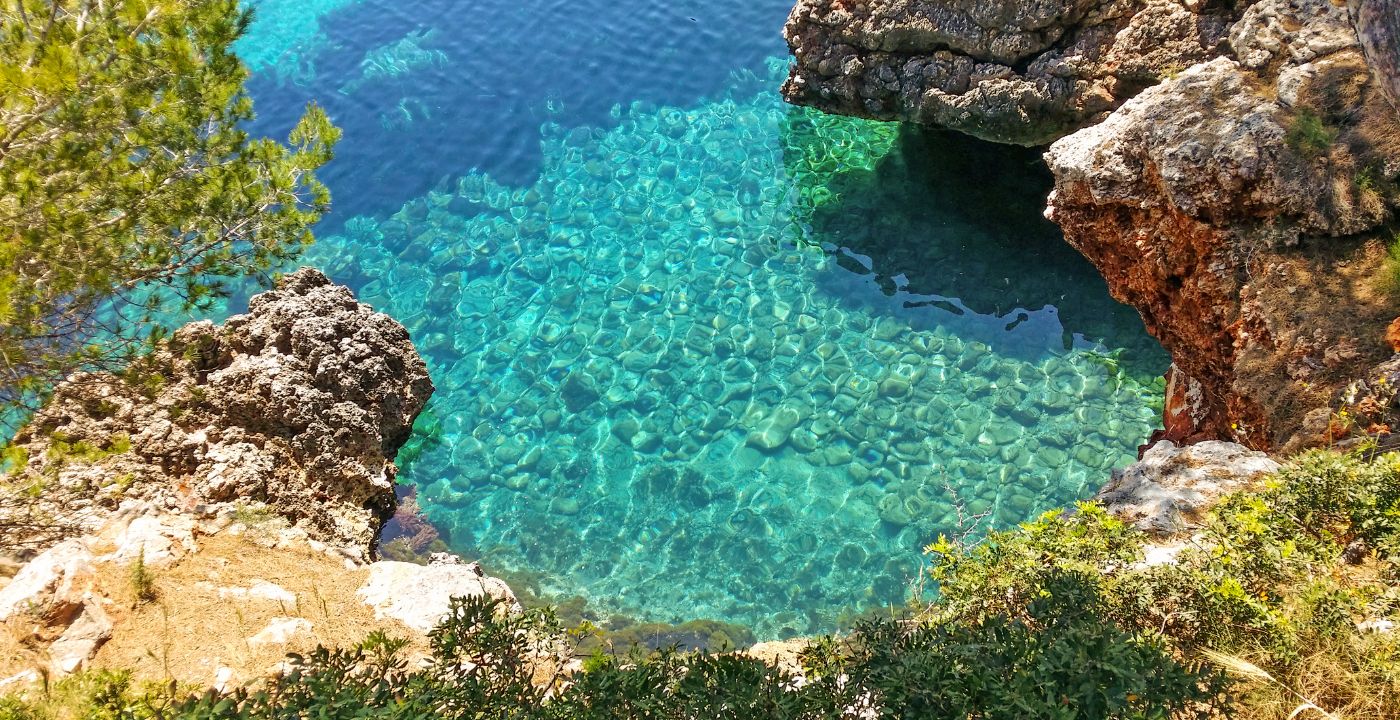
The route towards Cap d’Or is the most scenic for a short paddle. If you have two hours, push on to Cala Portixolet — it’s worth every stroke.
If SUP is about peace and balance, kayaking is about exploration. El Portet is the starting point for some of the best coastal kayak routes on the Costa Blanca, and you don’t need any experience to enjoy them.
The classic route heads south from the beach, hugging the cliffs around Cap d’Or towards Cala Portixolet — a tiny cove you can only reach by water. The scenery is dramatic: ancient rock faces, pine trees leaning over the edge, and water so clear you can watch fish darting below your kayak.
For a longer adventure, guided tours run from El Portet towards the hidden Cala Llebeig, a remote cove that was historically used by fishermen and, according to local legend, by smugglers trafficking coffee, tobacco, and weapons. It’s difficult to reach on foot, which makes arriving by kayak feel like a genuine discovery. Many tours include stops for swimming, snorkelling, and even cliff jumping for the brave.
Single and double kayaks are available for hire directly on the beach. Typical prices are around €25 for a single kayak for one hour or €35 for a double. Two-hour rentals run to around €45–€60. Guided excursions cost more but include equipment, safety briefings, waterproof bags, water, and snacks.
Operators include RentKayakSup, based right on El Portet beach, and Marinalia, who run from the Moraira Nautical Club nearby. Both offer self-guided rentals and organised tours.
3. Jet Skis and High-Speed Fun
For something with a bit more throttle, jet ski excursions depart from Moraira’s seafront near the castle, just a short walk along the coast from El Portet.
Tsunami Jet Ski & Watersports is the main operator in Moraira, offering jet ski hire, guided coastal excursions, and a whole menu of other activities including parasailing, banana boat rides, and flyboarding. They’re well established, multilingual, and cater to beginners and experienced riders alike.
Jet ski excursions typically head along the coast towards Calpe and the towering Peñón de Ifach, or north towards Jávea and the dramatic cliffs of Cabo de la Nao. Seeing this coastline from the water at speed is an entirely different experience from the beach — the scale of the cliffs, the hidden caves, and the colour of the open sea are spectacular.
Sessions usually run from 30 minutes to two hours. No licence is required for guided excursions, though you’ll get a full safety briefing before heading out.
If jet skis aren’t your thing but you still want the thrill, Tsunami also runs parasailing flights over the bay — a surprisingly peaceful way to see Moraira from above.
BlueView Tip: Book jet ski excursions a day or two in advance during July and August. Outside peak season, you can usually turn up on the day.
4. Snorkelling and Scuba Diving
You don’t need a motor or a paddle to enjoy El Portet’s underwater world. The water clarity here is exceptional — thanks in part to the protected posidonia seagrass meadows that carpet the seabed — and the snorkelling is some of the best on the Costa Blanca.
The north side of El Portet beach, where the rocks meet the water, is the best entry point for snorkelling. The seabed alternates between white sand, boulders, and seagrass, and you’ll spot sea bream, red mullet, octopus, and shoals of smaller colourful fish within minutes. The water reaches around 7 metres at its deepest in the bay, so there’s plenty to see without going far from shore.
For something more serious, Centro de Buceo La Galera is a dive centre based in Moraira offering courses, equipment hire, and guided dives for all levels. Popular dive sites nearby include Cap d’Or, where an underwater cave system starts at 10 metres and drops to 20, with scorpion fish, starfish, squid, and lobsters in the right season. Cala Portixolet and the rocky coastline towards Benissa offer further excellent diving.
Guided snorkelling tours are also available through several operators if you’d prefer someone to show you the best spots and point out the marine life.
5. Practical Tips for a Day on the Water
You don’t need a motor or a paddle to enjoy El Portet’s underwater world. The water clarity here is exceptional — thanks in part to the protected posidonia seagrass meadows that carpet the seabed — and the snorkelling is some of the best on the Costa Blanca.
The north side of El Portet beach, where the rocks meet the water, is the best entry point for snorkelling. The seabed alternates between white sand, boulders, and seagrass, and you’ll spot sea bream, red mullet, octopus, and shoals of smaller colourful fish within minutes. The water reaches around 7 metres at its deepest in the bay, so there’s plenty to see without going far from shore.
For something more serious, Centro de Buceo La Galera is a dive centre based in Moraira offering courses, equipment hire, and guided dives for all levels. Popular dive sites nearby include Cap d’Or, where an underwater cave system starts at 10 metres and drops to 20, with scorpion fish, starfish, squid, and lobsters in the right season. Cala Portixolet and the rocky coastline towards Benissa offer further excellent diving.
Guided snorkelling tours are also available through several operators if you’d prefer someone to show you the best spots and point out the marine life.


Mantente al tanto
Consejos de viaje, secretos locales y novedades de Moraira directamente en tu bandeja de entrada.
Nunca recibirás spam. Puedes darte de baja cuando quieras.